How Long to Wait After Interview Before Follow Up in 2026
Most candidates wonder how long to wait after interview before follow up. This post breaks down stage-specific timelines and smart strategies so you know when to follow up after no response from recruiters.

How long to wait after interview before follow up depends on the interview stage but generally ranges from 24 hours to 10 business days. Following up too soon can annoy recruiters; waiting too long risks being forgotten. Getting this timing right improves your chances without turning you into that desperate candidate nobody wants to answer.
Why the Follow Up Timeline Differs by Interview Stage
Most advice lumps all interviews together, recommending a vague "5 to 7 business days" wait after any interview. That’s about as helpful as telling a developer to "just fix the bug" without a stack trace.
The truth is, the appropriate follow up timing depends heavily on the interview stage. A phone screen, a technical deep dive, a final onsite, and an offer discussion all have very different rhythms and recruiter expectations.
For example, phone screens often have quicker turnaround because recruiters juggle dozens each day. Final rounds may require coordination among multiple stakeholders, extending the expected wait time. Ignoring these differences can either make you look impatient or cause you to miss out on crucial chances to reinforce interest.
(Yes, recruiters can sense when candidates send follow ups faster than their coffee kicks in.)
Typical Follow Up Timeline After Job Interview 2026
Here’s a realistic breakdown of when to follow up after each interview stage based on recruiter behaviour and hiring workflows:
Phone screen: wait 24 to 48 hours before a polite follow up
Technical interview: wait 3 to 5 business days, as interviewers need time to review
Final round: wait 7 to 10 business days due to cross-team coordination
Offer stage: expect quicker responses, follow up after 2 to 3 business days if silent

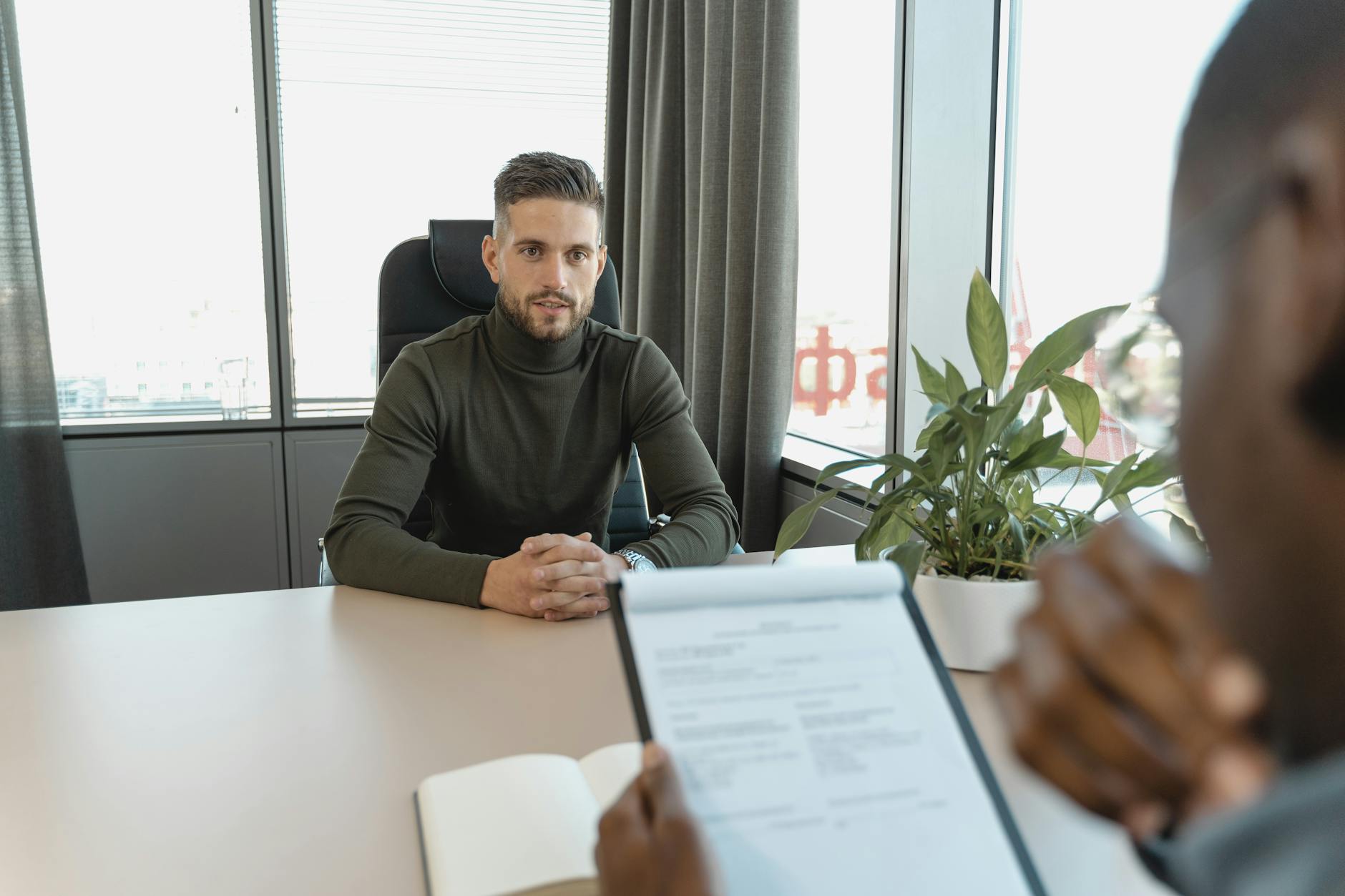
Photo by Tima Miroshnichenko via Pexels
When to Follow Up After No Response Recruiter: Avoid the Waiting Game Trap
Waiting for a recruiter to respond after an interview is like watching a pot that never boils. The key is knowing when your patience has become counterproductive.
If you haven’t heard back after the recommended timeline for your interview stage, a single, polite follow up email is appropriate. Anything more frequent risks turning you into "that candidate" who emails every day, which is recruiter code for "please don’t call me again."
Also, consider the company’s hiring cycle and size. Large companies with structured processes might take longer, so extending the wait time by a few days is fair. Startups and smaller firms often move faster, so don’t wait too long before nudging.
(Recruiters appreciate follow ups that signal genuine interest, not desperation or copy-pasted templates.)
How Long to Wait After Interview Before Follow Up: The Impact of Communication on Your Chances
Following up isn’t just about timing. It’s also about how you communicate during that follow up. Recruiters notice when candidates send generic messages or sound overly rehearsed.
A thoughtful follow up that references something specific from your interview or reiterates your enthusiasm can make you memorable. Conversely, a poorly timed or worded follow up can erase the goodwill you built.
Remember, the follow up is part of your overall interview performance. Your communication skills under pressure are being assessed even in these emails, so treat them with the same care as your answers.
(Think of follow ups as the polite tap on the shoulder, not the exasperated knock at midnight.)

Photo by KATRIN BOLOVTSOVA via Pexels
Common Follow Up Mistakes to Avoid
Candidates often sabotage their chances with these common follow up errors:
Following up too soon after the interview, making you seem impatient
Sending multiple follow ups without giving recruiters time to respond
Using generic templates that don’t add value or personality
Ignoring the specific interview stage and applying a one-size-fits-all timeline
Failing to do company research that informs your follow up tone and content
How to Get Started with Effective Follow Up Strategies
Start by noting the exact date and stage of each interview you complete. Use this to track when your follow up window opens and closes.
Leverage company research to tailor your follow up message. Mentioning a recent product launch or team initiative shows you’ve done your homework and aren’t just blindly chasing offers.
If you want to practice crafting follow up emails or interview answers, check out AllyNerds mock interview practice tools to build confidence and get feedback.
And if you’re still unsure about your role fit or how to tailor your resume to the target job, the FitFactor job fit tool and ResumeIQ resume optimizer can help you get aligned before you even hit send.
Frequently Asked Questions
How long should I wait before following up after a phone screen?
Wait 24 to 48 hours after a phone screen before sending a polite follow up. Recruiters usually move quickly on initial screens.
Is it okay to follow up multiple times if I get no response?
No. One polite follow up after the recommended timeline is enough. Multiple messages can annoy recruiters and hurt your chances.
What if I don’t hear back after the final interview round?
Wait 7 to 10 business days before following up after a final round, as decisions often require coordination among teams.
Should I follow up differently depending on the company size?
Yes. Larger companies often take longer, so consider waiting a few extra days. Smaller companies move faster and expect quicker follow ups.
Can a follow up email improve my chances of getting an offer?
A well-timed, thoughtful follow up can reinforce your interest and help recruiters remember you, improving your chances subtly.
Final Thoughts
Most candidates get follow up timing wrong because they treat every interview like it’s the same. Understanding the distinct rhythms of each stage changes the game.
If your follow ups feel like navigating a minefield (or worse, a Kafka novel), AllyNerds can help you build a structured preparation and communication workflow that actually survives real interviews. Because nobody wants to be the candidate who emails so much the recruiter starts ghosting out of fear.
Keep reading
Related guides picked for this topic.

Ghosted After Verbal Offer: Why Recruiters Disappear
Getting ghosted after a verbal offer is frustrating and confusing. This post uncovers the internal hiring issues behind recruiter disappearances and shows you how to avoid surprises.

Recruiter Ghosting Psychology: Why Silence Speaks Volumes
Recruiter ghosting psychology reveals why candidates face silence after interviews. This post explores why companies ghost job applicants, ethical concerns, and how to interpret the silence.
Stage-by-Stage Ghosting Probability in Hiring Processes
Candidates often wonder about the stage-by-stage ghosting probability during hiring. This post analyzes which interview stage has highest ghosting rate and where candidates get ghosted most to improve your job search strategy.
Why Recruiters Ghost Candidates 9 Reasons Explained
If you’ve asked why recruiters ghost candidates, this explains the usual causes: shifting priorities, soft rejections, scheduling chaos, or backup-candidate tactics. Read brief signs to watch for and simple next steps to reopen the conversation.

Role Freeze vs Rejection Ghosting: How to Tell the Difference
Candidates often confuse role freeze and rejection ghosting during job searches. This post explains how to identify each and what signals to watch for so you can navigate the waiting game better.

Role Freeze or Rejection Ghosting: 5 Signs to Tell Them Apart
Confused whether silence means a hiring freeze or straight-up rejection ghosting? This piece explains role freeze vs rejection ghosting, clear hiring signals to watch, and concrete next steps so you can stop guessing and start acting.