When Referrals Matter: Navigating 2026's Noisy Applications
As AI makes mass applications cheap, job referrals in 2026 are emerging as a clearer trust signal for recruiters. This piece explains what a referral can credibly vouch for, what it cannot carry into the interview, and the practical next steps candidates should take after being referred.
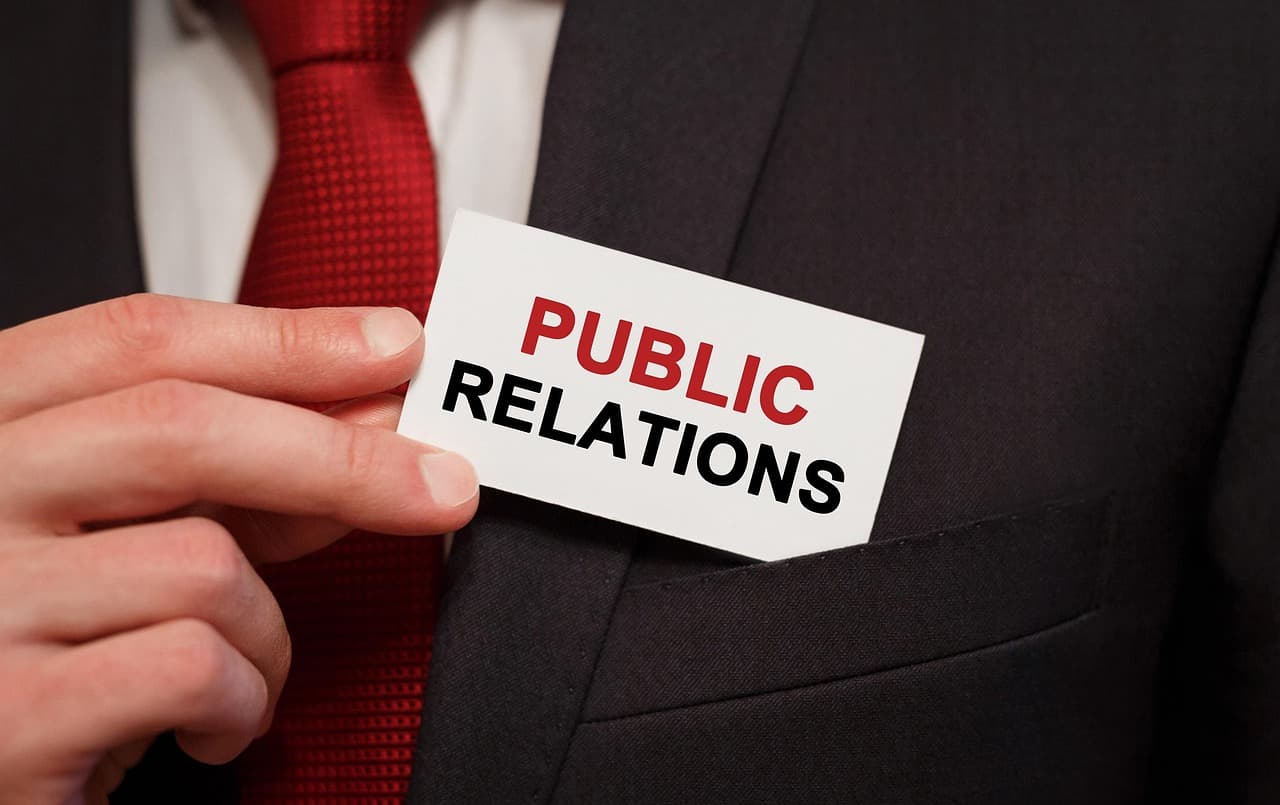
Job referrals hiring 2026 is a phrase you should know because referrals are once again a useful trust signal as AI makes resumes and cover letters easy to mass-produce. In short: referrals can speed review and provide reputational context, but they do not replace interview evidence or technical fit.

Credit: Photo by fernandozhiminaicela on Pixabay
Why This Matters
The signal from a referral is rising because employers face an influx of AI-generated applications that are harder to distinguish by surface text alone. WIRED argues that applying has become too easy, which reduces the information value of polished application materials .
Business Insider has also noted how AI makes volume cheap but differentiation harder, which is exactly where a referral helps by attaching a person-to-person judgement to an applicant .
Interpretation: these pieces of reporting together show a market reaction, not a universal policy change. Some teams will weight referrals heavily; others will treat them as one among many signals. The evidence supports the claim that referrals are regaining relative value in an overloaded hiring pipeline, but it does not prove every company now guarantees interviews for referred candidates.
Job Referrals Hiring 2026: What a Referral Validates
Documented practice: employee referral programs typically ask employees to submit candidate materials and often expect referrers to act as a reference or to vouch for fit, because the referrer has skin in the game through program incentives and reputational risk 1.
What referrals credibly validate:
Who you are in the workplace: punctuality, teamwork, and scope of responsibility as observed by the referrer.
Surface fit for the role: whether your background looks like the kind of experience the team hires for, enough to justify a closer look.
Reduced screening friction: a referral often speeds your resume to a human reviewer instead of getting stuck in the cold queue.
What a referral does not do automatically:
Prove technical ability under pressure. Interviews test live problem-solving and communication; a referral doesn't replace that evidence.
Guarantee a softened evaluation. Many teams still apply the same interview rubric once the loop begins.
Eliminate the need for preparation. Recruiters still expect candidates to show role-specific examples and clear communication.
A dry aside: referrals move you from anonymous to not-anonymous, which is useful, but it is not a VIP pass to skip the hard work.

What Candidates Usually Miss
Many candidates assume a referral equals success and stop preparing. That is the honest version: some people treat a referral like a hall pass and then freeze in the technical round. The reporting above does not say referrals remove the interview; it says referrals increase the chance of being seen. Treat the referral as permission to be evaluated, not proof you already passed.
Practical interpretation: if a referral gets you to a recruiter call, your next steps should be focused and role-specific. Research the job's concrete deliverables and prepare one or two tight examples that prove you can do them. This is role-specific preparation, not generic scripting; it beats polishing another AI-crafted cover letter.
If you want to understand how AI-boosted applications change screening, see our coverage of One-Click Applications Are Flooding Hiring Pipelines for context on volume and recruiter squeeze.
How To Act After A Referral
Do four things promptly after being referred: confirm the referrer's introduction or note; send a short, role-focused follow-up to the recruiter; prepare two concrete stories that map to the job's main responsibilities; and rehearse them out loud under mild pressure (a friend, a timer, or a recorded run-through).
Make the ask to your referrer specific and easy to act on. If they can mention one project, one outcome, and one trait in their note, that single detail can shift a recruiter's attention more than a paragraph of generic praise. For what to prove in those stories, lean on skills-based framing rather than vague impact language; see Skills-Based Hiring: Turn Job Ads into Proof for Interviews for an approach to map job ads to proof points.
Conclusion - Where Candidates Go Wrong and One Better Move
1. Most candidates treat a referral as a shortcut and stop doing the work that interviews actually test. That is where interviews end bad.
2. Actionable shift: treat a referral as a pass to be evaluated. Use it to force a narrow, role-specific rehearsal plan - two stories, one demo of technical skill, and a brief mock with a friend.
3. Reality check: the hiring process is still a human conversation held under pressure. A good referral buys you attention; it does not buy competence.
4. No single report proves all employers will change their entire process; available reporting suggests a trend toward valuing human endorsements again. Use the referral to get in front of a human, then show you deserve the role.
Sources & References
References used for the linked claims in this article.
- [S1]A Guide to Employee Referral Programs (Plus How To ... · indeed.comHow employee referral programs are structured and what a referrer typically does for a candidate (submit resume, act as reference, incentive ties).
Claims last checked against these sources on 2026-09-07T00:00:00.000Z.
More from AllyNerds
Not directly related — other guides readers find useful.
Master the First Pass with a Clear Resume Review Guide
This overview explains the resume-review hub in practical terms. It covers why a clear, role-aligned resume matters, how a structured evaluation works, and concrete checkpoints to improve readability and ATS compatibility. You’ll also see common mistakes and a step-by-step approach to a before/after that makes the value tangible.

Skills-Based Hiring: Turn Job Ads into Proof for Interviews
Skills based hiring is shifting hiring decisions from credentials to demonstrable proof. This piece shows how to extract skills from a job description and turn each into a proof story, project sample, and likely interview follow-up.

Why Recruiters Ghost Candidates 9 Reasons Explained
If you’ve asked why recruiters ghost candidates, this explains the usual causes: shifting priorities, soft rejections, scheduling chaos, or backup-candidate tactics. Read brief signs to watch for and simple next steps to reopen the conversation.

Meta Behavioral Interview Questions for Engineers 2026
Meta's behavioral round trips up more engineers than the coding rounds do. This covers the questions, what the Jedi round actually tests, and how Meta weights behavioral scores against technical performance in 2026.
Overqualification in Job Fit: Should You Apply?
When you feel overqualified for a role, the decision isn’9t binary. This hub guides you through scope, compensation, and motivation to decide whether to apply, tailor, or skip. Learn practical checks and next steps to align your path with real work you want to own.
Using AI in Job Search 2026: How to Keep Ownership Intact
AI help in job hunting is common in 2026, but the real risk is losing ownership of what you claim. This piece explains the Clutch survey, recruiter warnings, when automation backfires, and a simple ownership test to use before you hit apply.